Adventure Travel Trends 2026
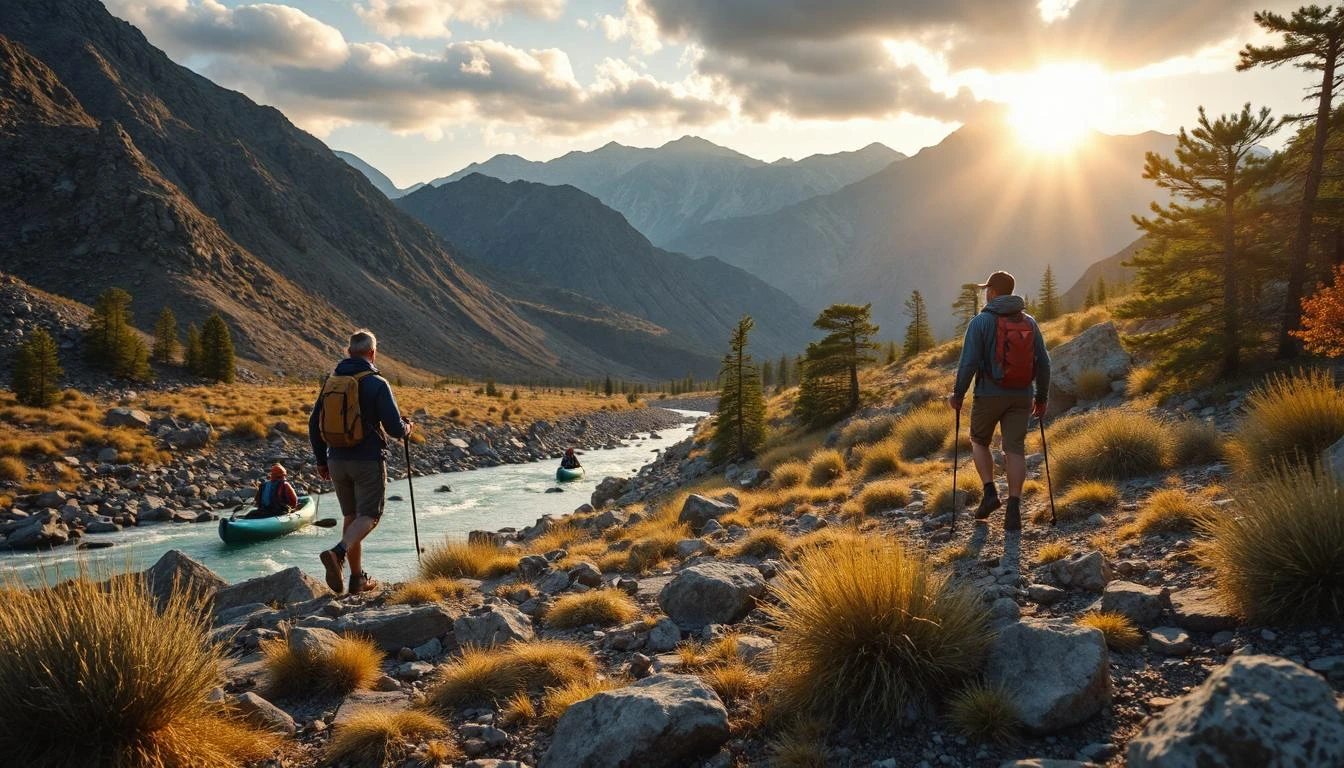
The travel world is shifting faster than ever, and you can feel it in the way people now talk about journeys. It is no longer just about visiting places, but about how deeply a person can live inside an experience. Remote valleys, untamed coastlines, and forgotten mountain paths are becoming the new global obsession, especially for those seeking something real.
In 2026, outdoor exploration travel experiences are shaping a new era of global adventure where travelers actively participate in nature rather than simply observe it. This shift is redefining how people design trips, connect with landscapes, and even understand themselves through travel.
Changing Landscape of Adventure Tourism
Adventure tourism is no longer a niche, it has become a global behavioral shift. People are searching for meaning, unpredictability, and emotional depth in every journey they take.
Modern travelers are no longer satisfied with surface-level sightseeing. They want stories they can feel, not just photos they can post.
wilderness journey planning is now becoming a crucial part of this transformation, helping travelers design meaningful routes that prioritize immersion over convenience.
Demand for authentic experiences
Authenticity is now the currency of modern travel. Travelers want real encounters with local culture, raw environments, and unfiltered nature.
Instead of curated attractions, they are choosing indigenous-guided expeditions, survival-style journeys, and immersive cultural exchanges. As travel strategist Daniel Mercer states, “The future of adventure is not comfort, it is connection.” This shift is strongly shaping outdoor exploration travel experiences across the globe.
Exploration beyond traditional destinations
The map of global tourism is expanding. Places once ignored are now becoming the heart of exploration trends, deep jungles, volcanic islands, and Arctic frontiers.
Travel marketplaces powered by AI now highlight hidden destinations based on traveler behavior and seasonal conditions, pushing explorers beyond familiar routes and into unknown territories.
Small group adventure travel
Travel is becoming more intimate. Small group expeditions of 4–8 people are replacing mass tourism structures, creating stronger emotional bonds and deeper shared experiences.
These groups allow travelers to move more freely, engage more deeply, and connect more meaningfully with both nature and each other.
Technology Enhancing Outdoor Exploration
Technology is quietly transforming adventure travel into a safer, smarter, and more personalized experience. Every journey is now guided by digital intelligence.
The integration of outdoor exploration travel experiences with advanced tools is reshaping how travelers prepare, move, and survive in extreme environments.
Digital trip planning tools
AI-powered travel platforms are redefining how journeys are designed. They analyze terrain, weather patterns, and traveler preferences to build adaptive itineraries.
This makes wilderness journey planning more precise and accessible, even for first-time explorers entering remote regions.
Smart safety equipment
Wearable devices and smart survival gear are becoming essential. GPS-enabled watches, biometric sensors, and emergency beacons ensure travelers remain connected even in isolated environments.
Adventure is no longer about risk alone, it is about controlled unpredictability supported by intelligent systems.
Adventure tracking applications
Real-time tracking apps now allow travelers to map their progress, share live locations, and receive environmental alerts instantly.
This technology enhances outdoor exploration travel experiences by giving explorers confidence in unpredictable environments.
Sustainable Adventure Experiences
Sustainability has become the backbone of modern travel ethics. Every journey now carries responsibility toward ecosystems and communities.
Travelers are becoming more conscious of how their presence affects the places they explore.
Responsible tourism practices
Eco-certified travel programs and carbon-neutral expeditions are now shaping global tourism behavior. Travelers actively choose operators who prioritize environmental protection.
Conservation focused travel activities
Many expeditions now include hands-on conservation work such as coral restoration, wildlife tracking, and reforestation programs. These experiences turn travel into contribution.
Eco conscious adventure destinations
Regions across Southeast Asia, South America, and Northern Europe are leading sustainable adventure tourism by balancing accessibility with environmental protection.
As conservationist Elena Varga explains, “Every traveler is either a footprint or a force of restoration.” This mindset is deeply influencing outdoor exploration travel experiences worldwide.
Global Marketplace Evolution in Adventure Travel
The global travel marketplace is evolving into a highly intelligent ecosystem that connects travelers directly with local guides, niche operators, and remote destinations.
This digital transformation is making outdoor exploration travel experiences more accessible, flexible, and personalized than ever before.
Search behavior is also changing, with travelers increasingly using long-tail queries like “safe eco adventure tours in remote Asia 2026” and “best digital wilderness expedition planners.”
wilderness journey planning is now fully integrated into these platforms, allowing seamless coordination between safety, sustainability, and exploration goals.